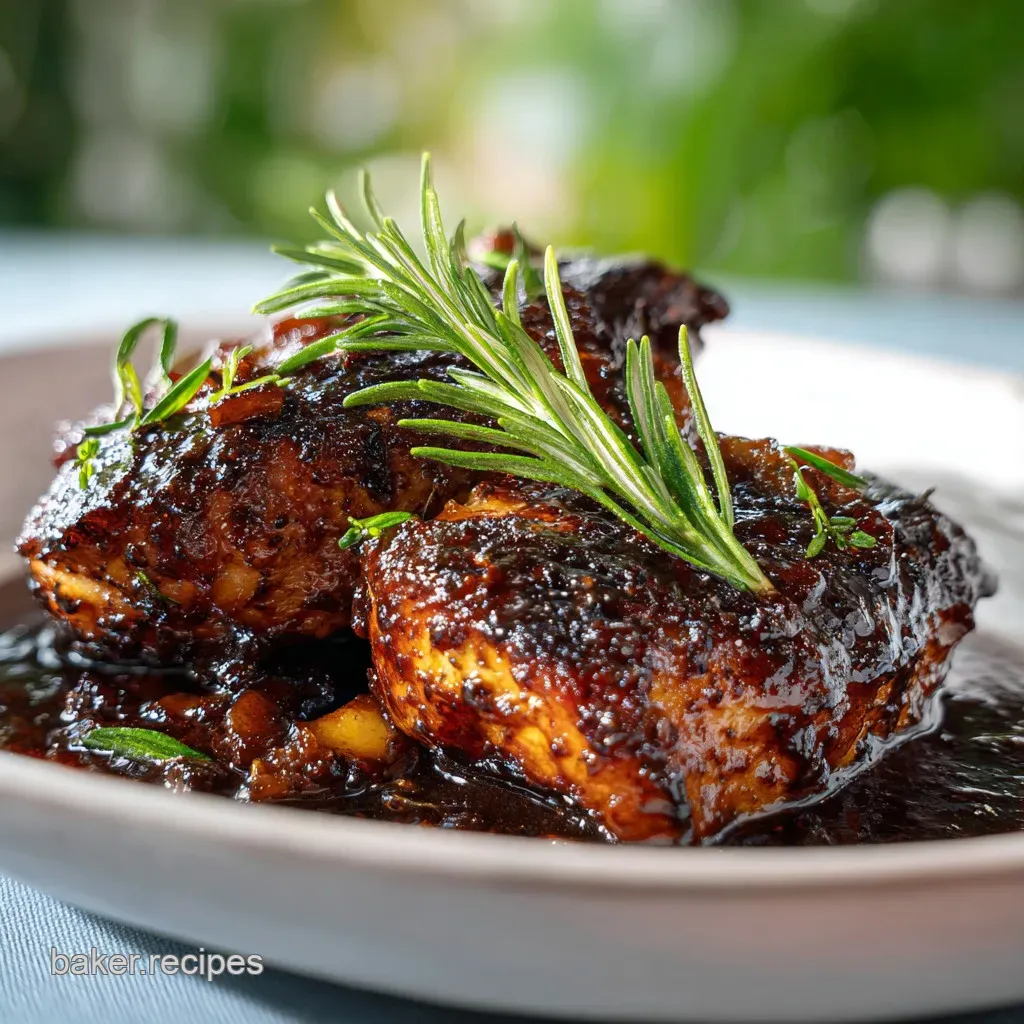
Pan-Seared vs. Baked: Crafting Your Best Balsamic Chicken
Few dishes strike the perfect balance of sweet, savory, and tangy quite like balsamic chicken. A perennial favorite for its rich flavor profile and comforting appeal, this versatile dish can transform everyday ingredients into a memorable meal. Whether you’re seeking a quick weeknight solution or a hands-off culinary endeavor, the method you choose—pan-seared or baked—significantly influences the final taste and texture of your balsamic chicken recipe. Let’s dive into the distinct characteristics, techniques, and advantages of each to help you craft your ultimate version.
The Art of Pan-Searing: A Symphony of Flavor and Glaze
When time is of the essence and you crave a robust, sauce-driven dish, pan-searing is your ally. This method excels at building profound flavor directly in the skillet, creating a luscious, reduced sauce that perfectly coats every piece of chicken. It’s a technique that rewards a little active attention with immensely flavorful results, often ready in under 30 minutes, making it an easy 25-minute skillet balsamic chicken for weeknights.
Key Techniques for Pan-Seared Balsamic Chicken:
- Chicken Preparation is Paramount: Start with boneless, skinless chicken breasts or thighs of similar size. For breasts, pound them to an even thickness (about ¾ inch) to ensure uniform cooking and juicier results. Crucially, pat the chicken thoroughly dry with paper towels before seasoning. This prevents steaming and encourages a beautiful, golden-brown crust.
- The Sear: Heat your skillet (cast iron or stainless steel works best) over medium-high heat with a touch of olive oil. Don't rush this step! Place the chicken in the hot pan without overcrowding, allowing it to sear undisturbed for several minutes per side until deeply golden. This caramelization is where significant flavor development begins.
- Crafting the Pan Sauce: Once the chicken is seared, remove it briefly. Deglaze the pan with a splash of broth or water, then introduce your sauce ingredients: balsamic vinegar (opt for a thicker, good-quality vinegar, not a glaze, for depth), honey (or maple syrup/brown sugar), aromatic herbs like thyme or oregano, and perhaps a touch of Dijon mustard for extra complexity.
- Simmer and Finish: Return the chicken to the skillet, allowing it to gently simmer, covered, in the developing sauce. This ensures the chicken cooks through while absorbing the sauce's flavors. Once the chicken is cooked, transfer it to a plate to rest. Whisk a knob of cold butter into the simmering sauce off the heat; this emulsifies the sauce, giving it a velvety, glossy finish that is irresistibly rich.
The beauty of pan-searing lies in its ability to create an incredibly flavorful, buttery glaze right in the same pan. It's a method perfect for those who enjoy a more active cooking experience and desire a deeply savory, tangy, and sweet sauce to spoon over rice, mashed potatoes, or roasted vegetables.
Baked Balsamic Chicken: Effortless Elegance and Tender Perfection
For a more hands-off approach that promises succulent, flavor-infused chicken, baking is an excellent choice. This method shines when you want to minimize active cooking time, making it ideal for meal prep or feeding a crowd. Baked balsamic chicken often starts with a robust marinade that tenderizes and infuses the meat with flavor before it even hits the oven, delivering a juicy, garlicky, and appropriately sticky result.
Key Techniques for Baked Balsamic Chicken:
- The Mighty Marinade: The heart of baked balsamic chicken is its marinade. Combine extra virgin olive oil, balsamic glaze (which tends to be thicker and sweeter than plain vinegar), minced garlic, a squeeze of lemon juice for brightness, fresh or dried herbs (like rosemary or oregano), a dollop of tomato paste for umami depth, and a touch of honey for balanced sweetness. The tomato paste is a game-changer, adding an unexpected layer of savory richness.
- Chicken Selection: Boneless, skinless chicken thighs are often recommended for baking due to their higher fat content, which makes them incredibly forgiving and resistant to drying out. If using boneless, skinless chicken breasts, consider slicing them thinner or keeping a close eye on the cooking time to prevent overcooking. Mastering the perfect glaze and juicy results is key here, especially with breasts.
- Marinating Time: Allow the chicken to marinate for at least 30 minutes, or ideally, several hours (up to 4) in the refrigerator. This gives the flavors time to penetrate the meat, ensuring every bite is bursting with taste.
- Baking to Perfection: Arrange the marinated chicken in a single layer in a baking dish. Bake in a preheated oven until the chicken is cooked through (internal temperature of 165°F or 74°C). For an extra caramelized, slightly sticky finish, you can broil the chicken for the last few minutes, watching carefully to prevent burning.
Baked balsamic chicken offers convenience without compromising on flavor. The oven's consistent heat ensures even cooking, resulting in wonderfully tender chicken that's permeated with the aromatic marinade. It's fantastic for batch cooking, as the flavors tend to deepen upon reheating.
Pan-Seared vs. Baked: Choosing Your Ideal Balsamic Chicken Experience
Deciding between pan-seared and baked balsamic chicken ultimately comes down to your personal preferences for flavor, texture, and cooking style. Here's a direct comparison to help you choose:
- Time & Effort: Pan-seared requires more active attention at the stove, but the total cook time is often quicker (around 25-30 minutes). Baked involves minimal active prep time (less than 10 minutes) but a longer overall cooking duration in the oven (30+ minutes, plus marinating time).
- Flavor Development: Pan-searing builds a deep, caramelized flavor directly on the chicken's surface and in the subsequent pan sauce. Baked chicken is infused with flavor throughout by the marinade, offering a more consistent taste in every bite.
- Sauce vs. Glaze: Pan-seared balsamic chicken features a distinct, rich, and often buttery pan sauce that is made separately after searing. Baked balsamic chicken is typically coated in a thicker, slightly syrupy glaze that bakes directly onto the meat, becoming delightfully sticky.
- Texture: Pan-seared offers a crispier exterior from the initial sear, followed by a tender interior and a luscious sauce. Baked chicken is consistently tender and moist throughout, with a slightly sticky, caramelized surface.
If you love a rich, complex sauce and don't mind a little stovetop action, pan-searing is for you. If you prefer a hands-off approach and tender, flavor-infused chicken with a beautiful sticky glaze, baking will be your go-to.
Elevating Your Balsamic Chicken: Universal Tips & Variations
No matter which method you choose, a few universal tips can elevate your balsamic chicken to gourmet status:
- Quality Ingredients Matter: A good quality balsamic vinegar or glaze will make a significant difference in the depth of flavor. Fresh herbs, good olive oil, and quality honey also contribute immensely.
- Don't Skimp on Resting Time: After cooking, always allow the chicken to rest for at least 5 minutes before slicing and serving. This allows the juices to redistribute, resulting in more tender and succulent meat.
- Flavor Boosters:
- For a Fresh Twist: Toss in a handful of halved cherry tomatoes during the last few minutes of simmering (pan-seared) or baking (baked). Finish with a sprinkle of fresh basil or chopped parsley.
- For a Touch of Heat: Add a pinch of red pepper flakes to your seasoning or marinade for a sweet-spicy kick.
- Umami Depth: A teaspoon of Dijon mustard in the pan sauce or a dollop of tomato paste in the marinade can add a subtle, savory complexity.
- Serving Suggestions: Both versions of balsamic chicken pair beautifully with starchy sides like fluffy rice, creamy mashed potatoes, or even pasta, which can soak up every drop of delicious sauce or glaze. Roasted vegetables such as broccoli, asparagus, or green beans make excellent companions, adding color and freshness to the plate.
Whether you opt for the quick, saucy delight of pan-seared or the effortless tenderness of baked, balsamic chicken remains a consistently satisfying dish. Each method offers a unique journey to a delicious destination, promising a meal that is both comforting and sophisticated. Experiment with both to discover which technique best suits your palate and your schedule.
