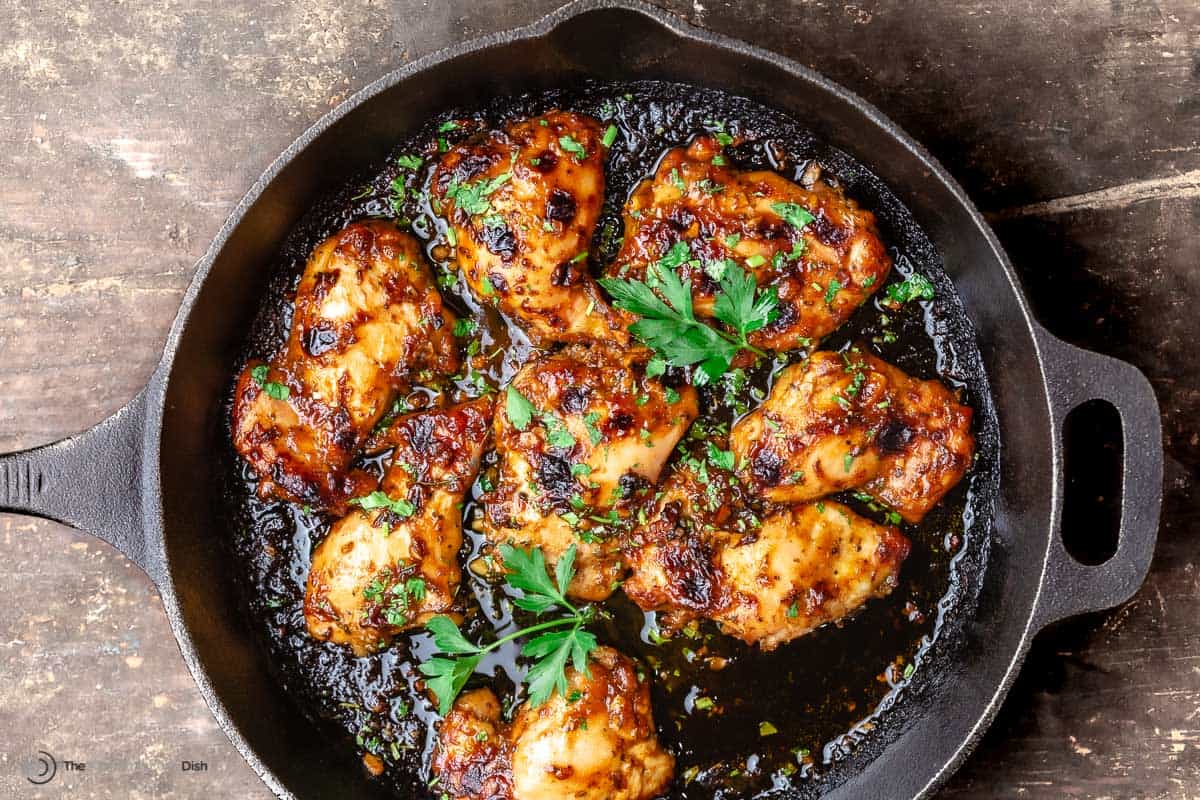
Balsamic Chicken: Mastering the Perfect Glaze and Juicy Results
There are few dishes that can transform simple chicken into an elegant, restaurant-worthy meal with such ease as balsamic chicken. Combining the rich, tangy notes of balsamic vinegar with a touch of sweetness, this dish has earned its place as a weeknight hero and a dinner party showstopper. But the secret to truly unforgettable balsamic chicken lies in two key elements: achieving that irresistible, glossy glaze and ensuring your chicken remains perfectly juicy. This comprehensive guide will walk you through the nuances of this beloved
balsamic chicken recipe, empowering you to master both the pan-seared and baked versions for consistently delicious results.
The Allure of Balsamic Chicken: A Culinary Classic Reimagined
What makes balsamic chicken so universally loved? It’s the exquisite balance of flavors – the deep, complex tang of balsamic vinegar, often mellowed by honey or brown sugar, infused with aromatic herbs and garlic. This creates a sauce that is both sophisticated and incredibly comforting, elevating ordinary chicken breasts or thighs into something truly special. Whether you prefer a quick, one-skillet creation that comes together in under 30 minutes, or a more hands-off baked version that starts with a vibrant marinade, balsamic chicken offers remarkable versatility. It’s the kind of dish that feels gourmet but relies on simple pantry staples, making it accessible for home cooks of all skill levels. For a deeper dive into the fundamental differences and benefits of each cooking method, explore our guide on
Pan-Seared vs. Baked: Crafting Your Best Balsamic Chicken.
Crafting the Perfect Balsamic Glaze: The Heart of the Recipe
The glaze is arguably the star of any balsamic chicken dish. It’s what coats every piece of chicken, delivering that burst of sweet and savory flavor in every bite. Mastering it means understanding your ingredients and how they interact.
Understanding Your Balsamic Vinegar
The quality of your balsamic vinegar plays a pivotal role in the final flavor profile. For a full-bodied, complex sauce, opt for a thicker, aged balsamic vinegar. These vinegars have a natural sweetness and depth that thinner, sharper varieties lack. While a "balsamic glaze" is available commercially and convenient, using a good quality balsamic vinegar and reducing it yourself often yields superior results. If your chosen vinegar is particularly sharp or acidic, don't hesitate to add an extra drizzle of honey or a pinch more sugar to achieve that perfect sweet-tangy harmony. A good rule of thumb: taste your balsamic! Its inherent characteristics will dictate how much sweetener you need to balance it.
The Sweet Balance: Honey, Maple, or Brown Sugar?
Sweetness isn't just about taste; it also contributes to the beautiful, sticky texture of the glaze. Honey is a popular choice, lending a distinct floral note and a lovely viscous quality. However, don't feel limited. Maple syrup offers a different kind of warmth and depth, while brown sugar provides a more straightforward caramel-like sweetness. Each substitute works wonderfully and can slightly alter the final flavor, allowing you to tailor the glaze to your preference. Consider the other ingredients in your dish; maple might pair exceptionally well with rosemary, for instance.
Flavor Boosters: Beyond the Basics
While balsamic and a sweetener form the core, other ingredients can dramatically enhance your glaze:
- Garlic: Freshly minced garlic is non-negotiable for its pungent, aromatic foundation.
- Dijon Mustard: A teaspoon of Dijon whisked into the balsamic-honey mixture adds a subtle tang, depth, and acts as an emulsifier, helping to create a smoother sauce.
- Tomato Paste: For a baked balsamic chicken recipe, a hint of tomato paste can introduce a tantalizing umami note, adding richness and complexity without overpowering the balsamic.
- Herbs: Dried Italian herbs, rosemary, or thyme infuse the sauce with warmth. For a fresh twist, finish with a sprinkle of fresh basil or parsley after cooking.
- Red Pepper Flakes: If you enjoy a bit of heat, a pinch of red pepper flakes offers a delightful sweet-spicy kick.
Achieving Unrivaled Juiciness: Chicken Prep and Cooking Techniques
No matter how delicious your glaze, dry, rubbery chicken can ruin the experience. Here's how to ensure your chicken is consistently tender and juicy.
Selecting and Prepping Your Chicken
The choice between chicken breasts and thighs comes down to preference and cooking time.
- Chicken Breasts: Lean and quick-cooking. To ensure even cooking and prevent drying out, always choose similarly sized breasts. For optimal juiciness, pound them to an even ¾-inch thickness. This not only tenderizes the meat but also allows for a shorter, more uniform cooking time.
- Chicken Thighs: Naturally more forgiving due to their higher fat content, boneless, skinless chicken thighs are excellent for moist results and often require a few extra minutes of cooking compared to breasts. They are hard to mess up and ideal for quick weeknight dinners.
Regardless of the cut, *always pat your chicken dry* with paper towels before seasoning and searing. This crucial step removes surface moisture, allowing the chicken to properly brown and build flavor (the Maillard reaction) instead of steaming.
Skillet Searing for Maximum Flavor
For a pan-seared balsamic chicken recipe, the initial sear is paramount.
- Don't Rush the Sear: A golden-brown crust isn't just for aesthetics; it's where intense flavor is built. Place the chicken in a hot skillet with a little oil and resist the urge to move it. Let it sear undisturbed on each side until a beautiful golden color develops.
- The Covered Simmer: After searing, introducing the balsamic sauce and covering the skillet allows the chicken to gently simmer, finishing its cook while absorbing the flavors of the glaze and remaining incredibly tender. This technique prevents the chicken from drying out as the sauce reduces.
Baking for Effortless Perfection
If you prefer a more hands-off approach, baking balsamic chicken is an excellent choice.
- The Power of Marinade: A bold balsamic marinade with garlic, lemon juice, herbs, and olive oil tenderizes the chicken while infusing it with flavor. The acidity of the balsamic and lemon juice works to break down tougher muscle fibers.
- Lemon's Role: Beyond tenderness, lemon juice adds a bright counterpoint to the rich balsamic, cutting through the sweetness and adding freshness.
- Adjusting Cooking Times: When baking, chicken thighs will be more forgiving than breasts. If using breasts, ensure they don't overcook by monitoring internal temperature (165°F or 74°C). Cooking them with the marinade helps keep them moist.
Step-by-Step Guide to Your Best Balsamic Chicken Recipe
Let's synthesize these techniques into a actionable guide for a skillet-based balsamic chicken recipe, incorporating the best practices for both glaze and juiciness.
- Prepare the Chicken: If using breasts, pound them to an even thickness. Regardless of cut, pat the chicken pieces thoroughly dry with paper towels. Season generously with salt, black pepper, and perhaps a touch of garlic powder or dried Italian herbs.
- Sear for Flavor: Heat a large skillet (cast iron or stainless steel works best) over medium-high heat with a tablespoon of olive oil. Once hot, add the chicken without overcrowding the pan. Sear for 4-6 minutes per side until beautifully golden brown and a rich crust has formed. Transfer the seared chicken to a plate and set aside.
- Build the Glaze: Reduce the heat to medium. Add a splash more oil if needed, then sauté minced garlic for about 30 seconds until fragrant. Deglaze the pan with a bit of chicken broth or white wine, scraping up any browned bits from the bottom. Whisk in your balsamic vinegar, honey (or chosen sweetener), Dijon mustard, and any other desired flavor boosters like dried herbs or red pepper flakes. Bring the mixture to a gentle simmer.
- Simmer and Infuse: Return the seared chicken to the skillet, nestling it into the sauce. Cover the skillet and let it simmer for 8-12 minutes, or until the chicken is cooked through (internal temperature reaches 165°F or 74°C). The sauce will begin to thicken as it reduces.
- Finish the Sauce: Transfer the cooked chicken back to the plate. Increase the heat slightly on the sauce and whisk in a tablespoon or two of cold butter, swirling until it melts and the sauce becomes smooth, glossy, and slightly thickened. This enriches the glaze and gives it a luxurious, silky finish.
- Rest and Serve: Let the chicken rest on the plate for at least 5 minutes before slicing. This allows the juices to redistribute, ensuring maximum moisture. Before serving, spoon the rich balsamic glaze generously over each piece of chicken. For a quick and delicious weeknight option, consider our Easy 25-Minute Skillet Balsamic Chicken for Weeknights, which perfects this very method.
Serving Suggestions & Creative Variations
Balsamic chicken pairs beautifully with a variety of sides. Serve it over fluffy rice, creamy mashed potatoes, or a bed of al dente pasta to soak up every last drop of that incredible sauce. Roasted vegetables like broccoli, asparagus, or green beans are fantastic companions, offering a fresh contrast. For a touch of freshness, toss in halved cherry tomatoes during the last few minutes of simmering, or finish with a sprinkle of fresh basil or parsley. A dusting of grated Parmesan cheese adds an extra layer of savory delight.
Storage and Reheating Tips
Leftover balsamic chicken makes for a fantastic meal prep option. Store leftovers in an airtight container in the refrigerator for up to 4 days, or freeze for up to 4 months. To reheat, warm the chicken gently in a covered skillet over low heat with a splash of water or broth to maintain moisture and prevent the sauce from drying out. You can also microwave, but the skillet method yields better texture.
Conclusion
Mastering the perfect balsamic chicken recipe is a journey of understanding flavors, techniques, and the nuances of your ingredients. By focusing on a quality balsamic vinegar, balancing sweetness, prepping your chicken correctly, and employing smart cooking methods – whether pan-searing for a quick, flavorful crust or baking for a hands-off, marinated tenderness – you can consistently achieve that ideal glossy glaze and unbelievably juicy results. This versatile, satisfying dish is more than just a meal; it's an experience that proves gourmet flavors are well within reach for any home cook. Embrace these tips, and prepare to elevate your next balsamic chicken creation to new culinary heights!